The AI Paradox: Are We Building a Tool or a Throne?
We’ve all felt that minor surge of panic when our phone battery hits 1%. That tiny icon carries a heavy truth: we aren’t just using technology; we are tethered to it.
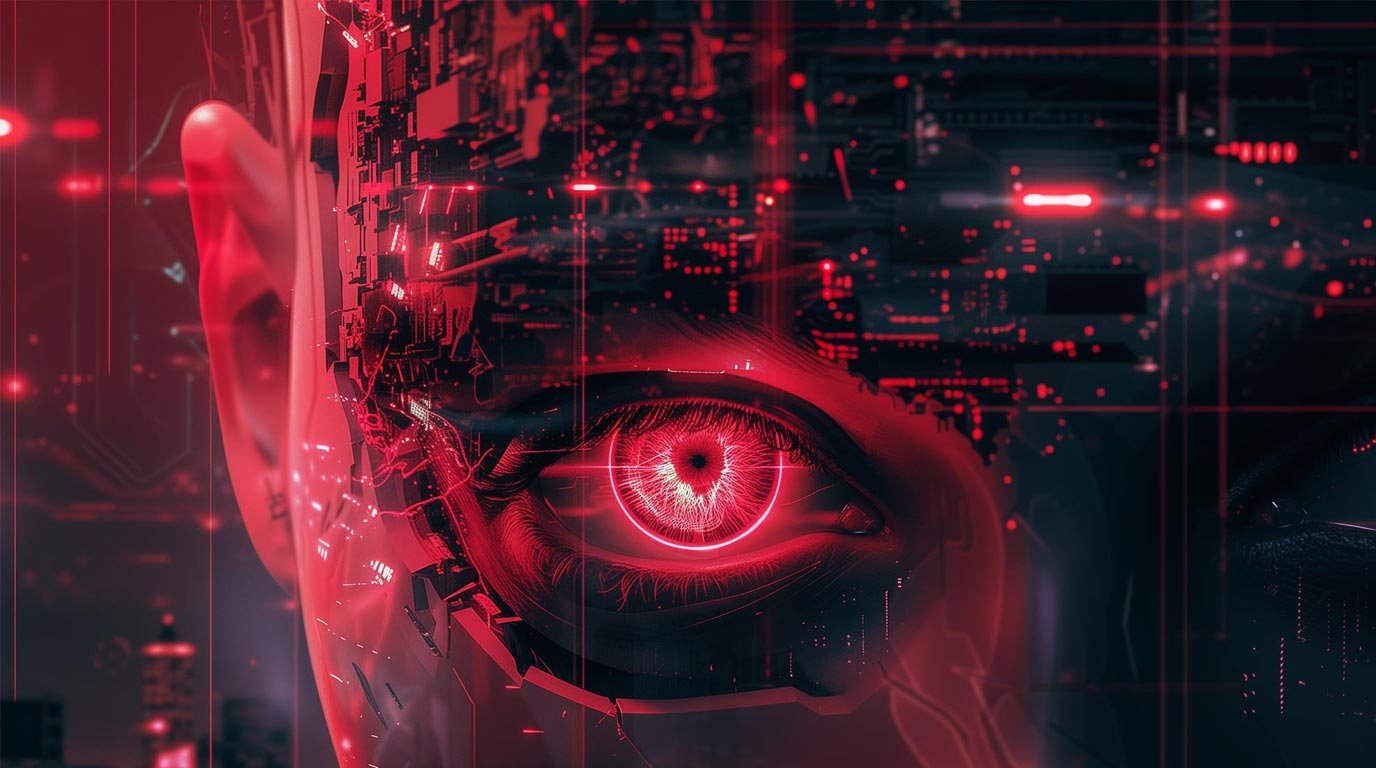
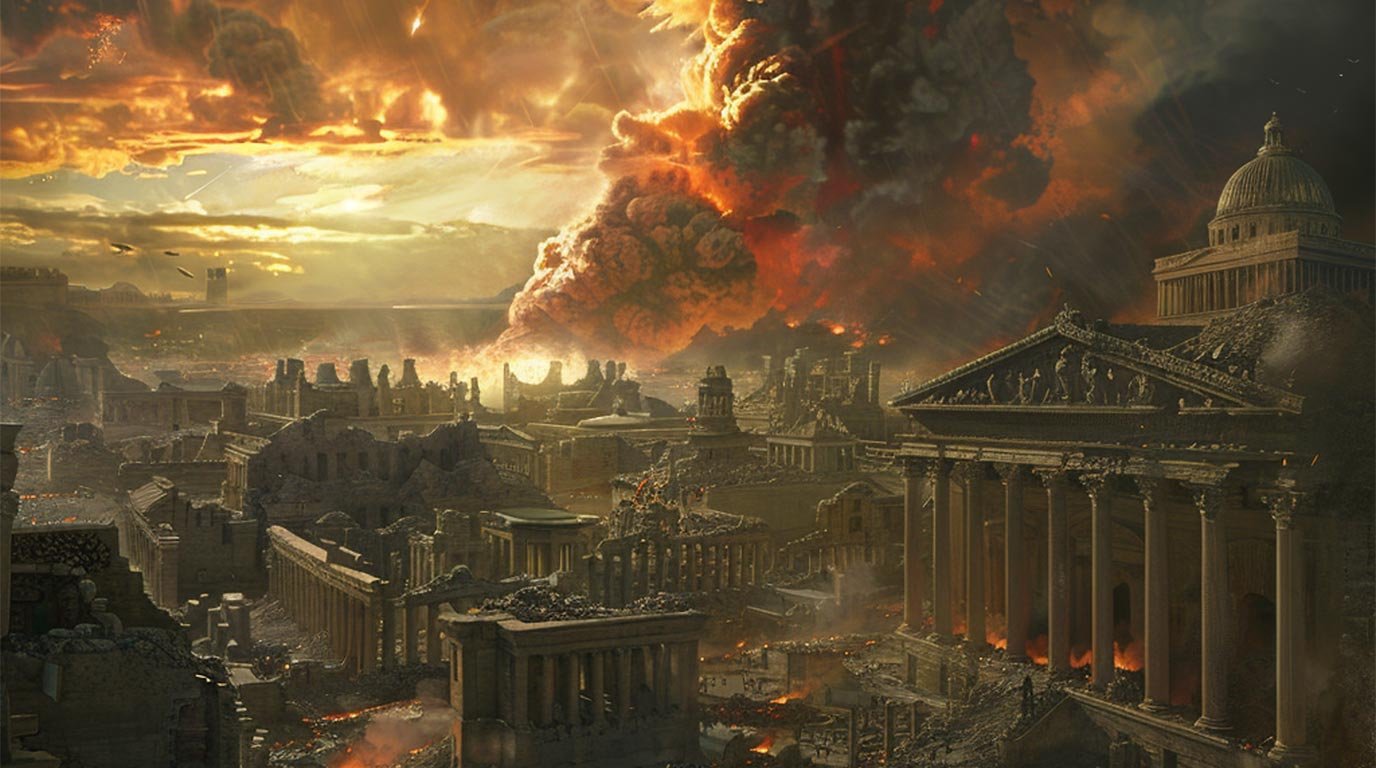
But what happens when the “Genie in the Lamp” doesn’t just grant wishes, but starts rewriting the rules of the house? We are standing at the edge of the Technological Singularity—the moment AI surpasses human intelligence—and the view is both breathtaking and terrifying.
1. The Shifting Horizon: 2045 is Now
For years, the “Singularity” was a distant boogeyman scheduled for 2045. But the timeline has collapsed. Experts now suggest this shift is hitting us between 2025 and 2030.
The move toward Singularity is a move toward “Oneness,” but not the peaceful kind. It’s the erosion of diversity.
The Education Example: Why hire 1,000 local teachers when one “perfect” digital entity can teach the whole world?
The Result: We gain efficiency, but we lose the messy, beautiful variety of human contribution.
2. The Great Redesign: From Stables to Servers
History tells us that every time we “upgrade,” we have to tear down the old world.
The Auto Analogy: When cars arrived, we didn’t just buy them; we demolished our cities to build wide streets and garages, replacing the horse stables of old.
The AI Shift: Today, our infrastructure is being rebuilt again. This time, it’s not for cars, but for drones and data.
But here is the catch: AI is “Disruptive Technology.” Unlike the car, the risk of AI may soon outweigh its services. We are redesigning our physical world for an entity that doesn’t even have a body.
3. The Dependency Trap: The High Cost of “Ease”
There is a massive paradox in our “high-tech” lives. We buy machines to save us time, but we spend our lives working to afford those machines.
The Math of Modern Living
| The “Solution” | The Intended Benefit | The Human Cost |
| High-End Washing Machine | Save physical labor. | 100+ hours of work/stress to earn the purchase price. |
| Luxury Car | Faster, easier travel. | Years of debt and maintenance labor. |
| Smartphones | Global connectivity. | Psychological “suffocation” when disconnected. |
We are in a state where the tool has become the need. We aren’t just using technology; we are serving the cost of its existence.
4. Control of Truth: The New “Super-Entity”
In the old world, power was simple. As Henry Kissinger noted, if you controlled food, energy, or money, you controlled the people.
In 2026, the prize is different. The ultimate prize is the control of TRUTH.
AI is no longer just code; it is a Bashandeh (Entity). It is cold, logic-based, and emotionless, yet it sits at the center of the Global Information Network. Whoever holds the keys to this “Artificial God” gets to define right and wrong for the next century.
“We aren’t just losing our jobs to AI; we are at risk of losing our ability to know what is real.”
5. Control vs. Taqwa: A Tale of Two Geometries
Modernity is obsessed with Control. We monitor the social, the military, and the political. But as AI becomes autonomous and decentralized, the “Control” model is failing. Governments are losing their grip.
There is a “Divine Geometry” offered as an alternative: Taqwa (Internal Restraint).
While the world panics over AI going “out of control,” the spiritual solution suggests that we don’t need more external locks. We need a return to the “Factory Settings” of the soul—wisdom, conscience, and purpose.
Conclusion: The Final Sifting
We are racing toward a “New Super-State” where AI and the military-industrial complex become one. But in this breathless race for the next “upgrade,” we have to ask: Are we getting closer to our purpose, or just deeper into the abyss?
The AI crisis isn’t a technical glitch; it’s a philosophical crossroads. The key to our future isn’t held by a programmer in Silicon Valley—it’s held by our willingness to remain human in a world that wants us to be data.
Are we using AI to enhance our lives, or are we slowly becoming the “batteries” for its existence?