Imagine a routine Tuesday. A baker pulls bread from the oven; a teacher grades papers; a surgeon focuses on a delicate incision. Suddenly, a silent signal flashes across a radar screen thousands of miles away.
A ballistic missile has been launched. From detection to impact on a major city, the world has exactly 19 minutes. This window is more than a technical challenge; it is a psychological bottleneck where billion-dollar hardware becomes irrelevant if the human heart fails.
1. The Trinity of Decision-Making
In a crisis, survival isn’t just about pushing a button. According to strategic doctrines, the 19-minute window is divided into three distinct layers of response:
The Three Layers of Survival
| Level | Timeline | The Actors | The Goal |
| Technical | Seconds | Radar Techs / Operators | “Bullet hitting a bullet.” Stop the missile physically. |
| Operational | ~5-10 Minutes | Commanders / FEMA | Identify the enemy and manage the “Continuity of Government.” |
| Strategic | The Final Call | President / Head of State | Decide the fate of millions. Retaliate or de-escalate? |
2. Character vs. Technology: When the Body Betrays the Rank
We often assume that elite soldiers are immune to fear. However, history tells a different story. In modern high-pressure warfare, the body often revolts against a mind that isn’t internally stable.
“A surgeon may spend 50 years saving lives one at a time. But a world leader makes one decision in one moment that decides the fate of tens of millions. The stress of that one moment outweighs a lifetime of clinical practice.”
Strategic studies of captured elite commandos have shown that when faced with overwhelming odds, even the best-trained “warriors” can suffer a total physical and psychological collapse. If a soldier is merely a “merchant in a uniform”—there for the paycheck rather than the purpose—their body betrays them the moment the technology fails.
3. The “Designated Survivor” Paradox
There is a cold truth in modern defense protocols: The system prioritizes the regime over the people.
This is the ultimate admission of systemic fragility. The state protects its “brain” while the “body” (the population) is left to the fire. It raises a deep ethical question: Is a system worth saving if it abandons its people at the moment of truth?
4. The Strategic “Gap-Filler”: Faith and Stability
Technological superiority is a fragile shield. When “bullet hitting a bullet” mechanics reach their limit, the final defense is Thabat (stability of heart).
Why “Strong Hearts” are Force Multipliers:
Beyond Logic: Technology operates in percentages; faith operates in certainty.
The 12-Day War Lesson: In recent conflicts, we’ve seen Western coalitions with every tech advantage panic, while leaders with Tawakkul (trust in a higher power) remained immovable.
Unity of Command: This internal stability creates Ta’lif-e Qolub—a uniting of hearts between the leader, the commanders, and the people.
5. The “Merchant-Leader” Problem
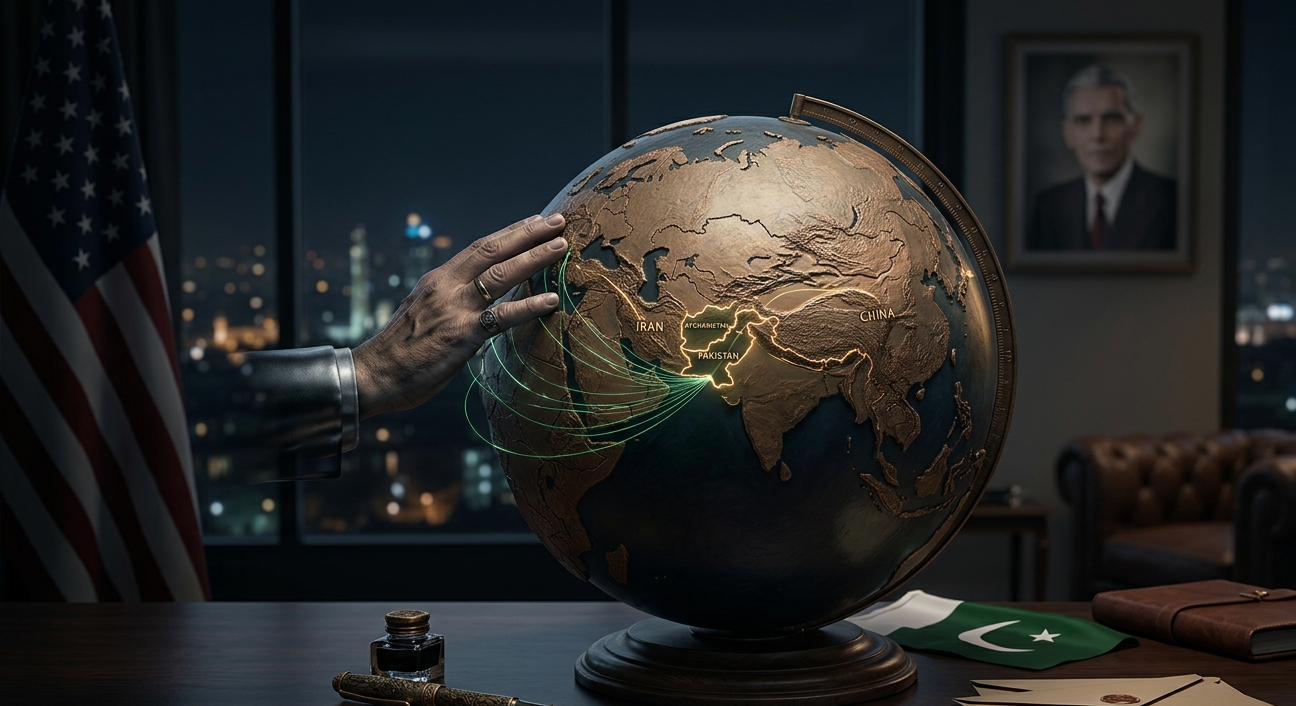
The most dangerous vulnerability in modern geopolitics is the Merchant-Leader. This is a leader who views survival through the lens of profit, loss, and “deals.”
Transactional Logic vs. Warrior Logic:
The Merchant: Excels at “milking” allies for trillions or selling high-tech jets that the buyer isn’t even allowed to repair.
The Warrior: Understands that in a 19-minute window, a “deal” is useless.
Transactional leaders are prone to blustering for short-term gain but lack the psychological “Thabat” required when a conflict becomes high-speed and high-stakes.
Final Thoughts: The Unseen Preparation
The next great war will not be won by those with the fastest missiles, but by the unseen character of the people behind the consoles.
All the $147 billion “Golden Domes” and secret bunkers are hollow if the person making the call collapses under pressure. Technology operates in seconds, but the human heart operates in the realm of eternity.
The Big Question: If you had 19 minutes to decide the fate of your civilization, would your heart be as ready as your technology?
Key Takeaways for the Modern Strategist:
Resilience is Internal: High-tech suits don’t make a warrior; character does.
Decentralized Power: Protecting the “brain” in a bunker is an old-world strategy; modern survival requires a distributed, heart-centered resilience.
Avoid Merchant Logic: Survival cannot be negotiated in the heat of a missile launch.
What do you think? In a world of AI and hypersonic missiles, is the “Human Element” still our strongest asset or our greatest weakness?