“Who owns the story when the data crosses the border”
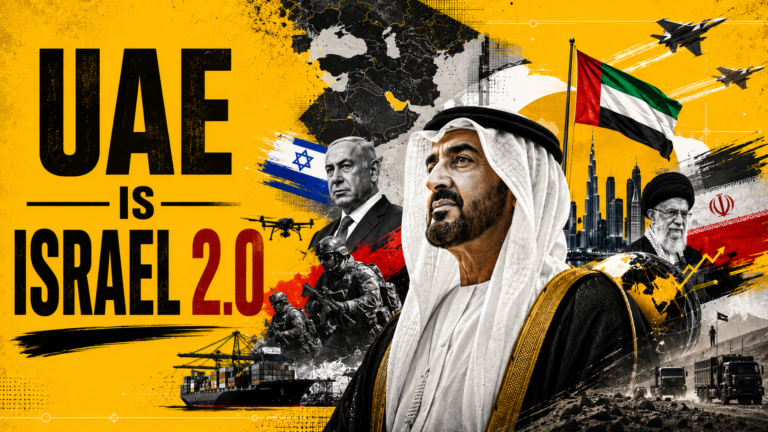
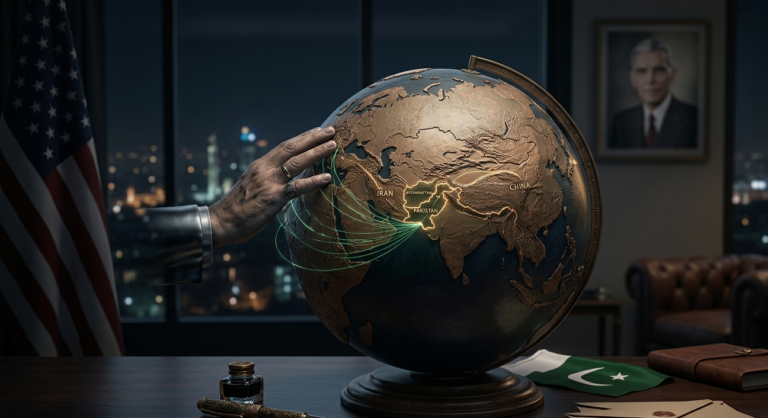
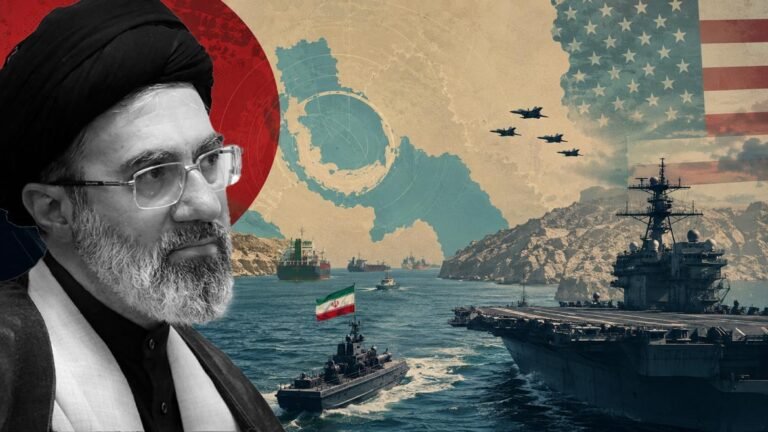
The production and consumption of content on social media has no restrictions which creates several challenges. Social media is highly used to shape narratives. To control the flow of information up to some extent, the concept of data sovereignty has emerged, which refers to the idea that there should be authority of state over the flow of information within its territory. Using this power, a state can influence the data flow along with the surveillance of the users. For instance, during the US-Iran conflict, UAE imposed restrictions on the posting of videos on internet, showing the destruction made by Iranian missiles and drones. UAE imposed high penalties to those uploading the videos and images. So, there is some control of the state over the flow of information to portray peace and keep people away from chaos.
However, this level of control depends on whether a state owns the centers. Data centers contain the large amount of information, these centers are concentrated in a few countries. US, countries in Europe, China, Japan, and India in Asia are having data centers. For the countries with no data centers, it is difficult to control the flow of information and narratives of other states can be imposed to its own people. For instance, during the Ukraine-Russia conflict 2022, the Ukrainian government restricted domestic media during martial law and centralized messaging to prevent panic and Russian propaganda, because the data and platforms were foreign owned and global, Russia ran disinformation campaigns on global social media and state media that reached Ukrainians directly, spreading claims about genocide committed by Ukraine. Thus, in this way data centers’ control can be a challenge to a state. Social media lets foreign actors bypass state-controlled domestic media and push narratives directly to citizens using inauthentic accounts, targeted ads, and fabricated reports.
Social media influences public opinion. Social media trends, hashtags (#), online petitions and others let people express their opinion about a certain thing and place their arguments in favor, which rather motivates other people or give rise to a counter-argument and leads to various groups based on different perspectives. These counter groups raise questions on each other which help to keep accountability and transparency even at governmental or state level.
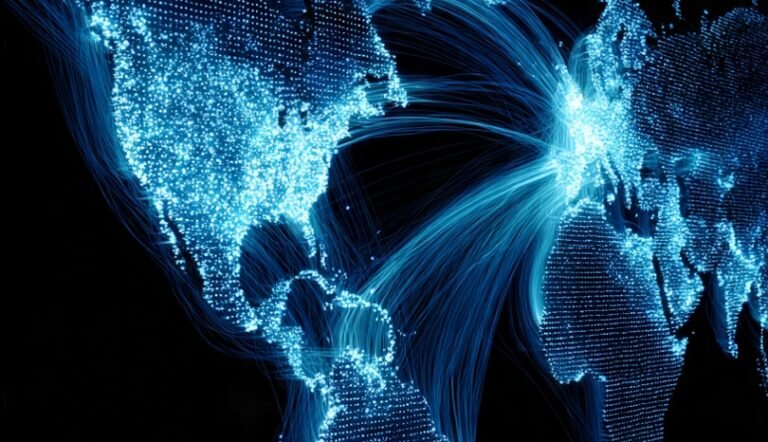
Amplification of thoughts and narratives has been a characteristic of social media since very start. For a case in point, Arab Spring is marked to be spread, across the Middle East and North Africa in late 2010 and peaked in 2011, because of social media when a street vendor in Tunisia, set himself on fire to protest against the harassment by police. The video went viral on YouTube and Facebook, and within a month, the president Zain al Abidine fled the country. Other countries facing similar issues like corruption, unemployment and repression, sparked similar protests, including Egypt, Libya, Yemen, Syria, Bahrain and others. While regimes changed in some cases, the long-term political outcomes were mixed. But it showcases the power of social media as an effective way to engage people across the borders.
For Artificial intelligence (AI), e-commerce, finance and logistics, data is considered as infrastructure. This matters in today’s economy because of competitive advantage of who owns these infrastructures. The flow of information imposes security challenges about biometric data, health records, and infrastructure control systems.
To cope up with the situations of data safety and control the flow of information, countries use different frameworks or laws. For instance, in Russia, foreign social media companies have been banned and the data is must to be stored within data centers in Russia. China also follows data localization mandates, before transferring large scale personal data or important data abroad, the personal information protection law and data security law are must required for assessment. On the contrary, India and European Union use approval required methods before transferring the data. The governments do it in the frame of national security and protection of citizens’ data. The concern is that data stored abroad could be accessed by foreign actors, that may be used for espionage and unethical surveillance.
Social media has made information borders porous. States can restrict the activity on it, impose penalties, but cannot control the narratives in this age. Data sovereignty matters a lot but with limited powers, and in all this situation the one who is amplified is heard and gets attention.
taqinaqvi96@gmail.com