
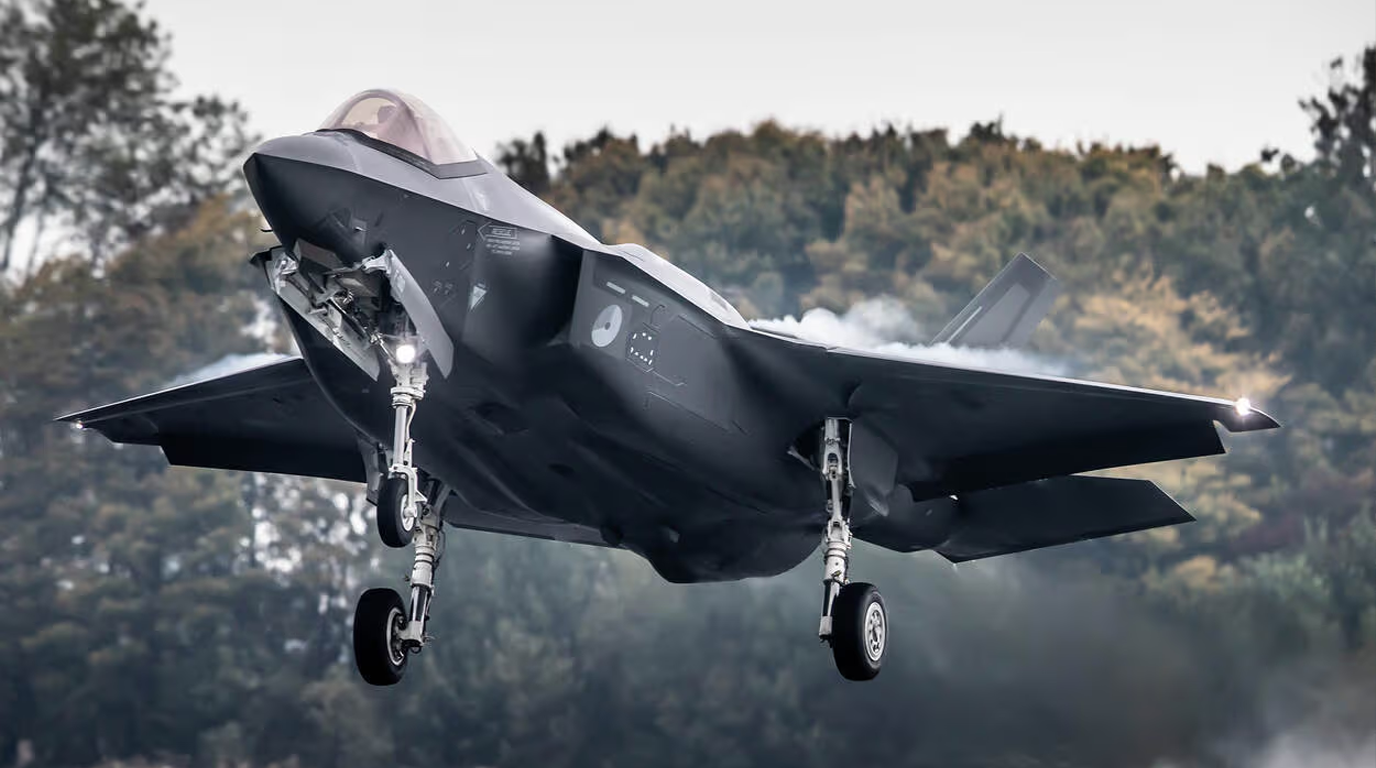
Consider the F-35 Lightning II. It is the most expensive aircraft ever built. However, to strike a target thousands of miles away, it requires complex mid-air refueling, a massive logistical trail, and puts a highly trained pilot at risk.
The Fall of the Giants: Why Western Military Might is Becoming Obsolete
For decades, the world believed that the key to global dominance lay in massive aircraft carriers, billion-dollar jets, and heavy tank divisions. But the tide is turning. We are witnessing a Modern Military Revolution where the “Goliaths” of the West are being outmaneuvered by the “Davids” of the East.
From recent conflicts like the 12-day “Ghadir War” to the “Ramadan War,” a new reality has emerged: the classic military structures of the past have lost their edge.
1. Efficiency vs. Effectiveness: The Art of Strategy
In the world of strategic warfare, there is a massive difference between a system being Efficient and being Effective.
Efficiency means a weapon works exactly as designed.
Effectiveness means that weapon actually wins the war or achieves a political goal.
Many Western systems are engineering marvels (efficient), but in the chaotic reality of modern battlefields, they are becoming increasingly ineffective. As strategist Hassan Abbasi points out, when the very structure of war changes, heavy, expensive legacy systems become liabilities.
2. The 70/80/90 Breakdown
Recent strategic reports suggest a shocking decline in the relevance of traditional power. According to high-level analysis:
70% of classic military assets (tanks, large ships, manned jets) are no longer effective in modern high-tech warfare.
80% of intelligence agencies are failing to predict or stop unconventional threats.
90% of government structures are too slow to adapt to the speed of the 21st century.
The era of ruling the world via steel and steam is over.
3. The $1 vs. $100 War: Economics of the Battlefield
Consider the F-35 Lightning II. It is the most expensive aircraft ever built. However, to strike a target thousands of miles away, it requires complex mid-air refueling, a massive logistical trail, and puts a highly trained pilot at risk.
Compare this to a modern “Fire and Forget” missile or a swarm of drones. * The Cost Gap: A drone costs a few thousand dollars. To stop it, the enemy must use a defense system (like Iron Dome or Patriot) that costs millions.
Saturation: If you fire 50 cheap drones, you “saturate” the expensive defense system, making it useless.
This is a $1 vs. $100 war. The West is spending itself into bankruptcy trying to defend against cheap, smart technology.
4. From “Land Wars” to “Sovereignty Wars”
Old wars were fought to capture territory (like we see in the traditional maneuvers in Ukraine). But we have entered the era of Coup-style Warfare or Sovereignty Wars. The goal isn’t the land; it’s the “head of the system”—the leadership and the command structure.
To counter this, advanced defense models have moved from Centralized to Distributed command. In a distributed system, even if the central headquarters is hit, every individual unit remains lethal and autonomous. The “brain” is everywhere, making it impossible to kill the system with a single strike.
5. The American Struggle: Why Invasion Plans are Flawed
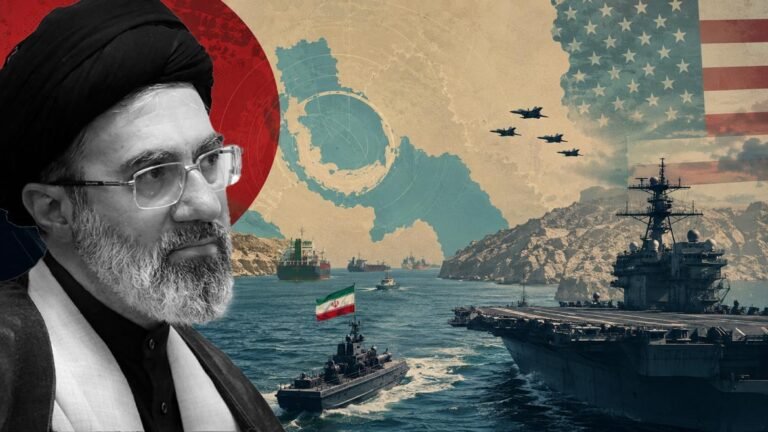
The US 5th Fleet moving further away from its traditional bases is a silent admission that the “deterrence” has shifted. While US planners still weigh options—like seizing strategic islands in the Persian Gulf—the math doesn’t add up anymore.
The Logistical Nightmare: Elite units like the 82nd Airborne now require massive support that isn’t always available in-theater.
Target Practice: US landing crafts and Marines, once feared, are now “meat for the grinder” against swarms of smart missiles and suicide boats. In a vast, rugged geography, these elite forces become isolated targets.
Final Thought: The Future is Small and Smart
We have moved from the age of nuclear posturing and heavy armor into the age of Intelligent, Cheap, and Effective technology. The West’s insistence on “Legacy Systems” (big, expensive, slow) is becoming its greatest strategic weakness.
The real question for the future is this: Can a superpower ever truly defeat a nation that has mastered the art of the “Asymmetric Revolution”? When war is won with grit and smart tech rather than a fat checkbook, the global pecking order changes forever.
Do you think the era of the “Superpower” is officially over, or can the West reinvent itself?