Technology & Humanity
Artificial Intelligence ya Artificial Insaan?
"Jab machine sikhna shuru karti hai, toh insaan kya seekhna band kar deta hai? Yahi sawaal hamare waqt ka sab se bada imtihaan hai."
April 2026
·
10 min read
·
AI, Society & Spirituality
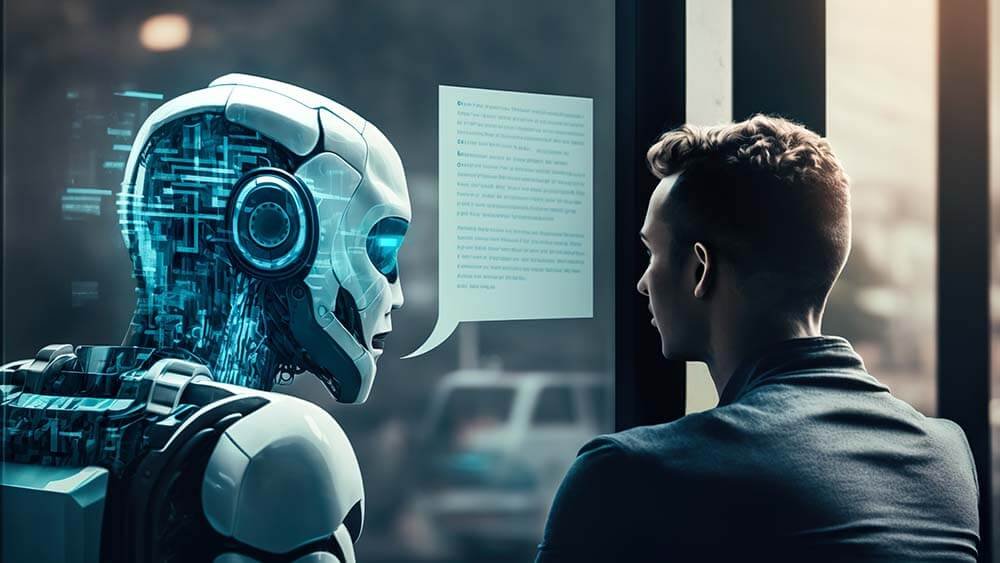
Artificial Intelligence ab sirf labs aur Silicon Valley tak mehdood nahi rahi — yeh hamare ghar, school, hospital, aur court rooms mein daakhil ho chuki hai. Lekin ek baat jo is poori bahas mein ghayab hai, woh yeh hai: kya technology humein zyada insaan banati hai, ya insaniyat se door le jaati hai?
2045
Singularity ka andaza
$15.7T
AI's global GDP impact by 2030 (PwC)
85M
Jobs at risk by 2025 (WEF)
97M
New AI roles emerging (WEF)
Insaan: Auzaar Banana Wala Janwar?
Maghribi falsafe mein insaan ko "tool-making animal" kaha gaya hai — Aristotle se lekar modern scientists tak. Lekin yeh definition adhuri hai. Bht se janwar bhi auzaar banate hain: chimpanzee pathar se mewey kholtay hain, parinday ghonslay banate hain, aur samundari khana todne ke liye pathar ka istemal karte hain.
Toh insaan ki asli imtiyazi sifat kya hai? Shayad yeh hai ke woh tools ke zariye society banata hai — aur phir woh society us insaan ko sawarte hai jo auzaar banata tha.
Insani Taqniyat ki Teen Stages
01
Jismani Taaqat
Neza, pulley, engine — insaan ki muscles ka extension. Kaam zyada, mehanat kam.
02
Zehan ki Taaqat
Abacus, calculator, computer — insani "computational intelligence" ka extension.
03
Artificial Society
AI robots jo doctor, judge, teacher, aur soldier ka role ada kartay hain — "artificial citizens."
"We are no longer making tools that do our bidding — we are making entities that bid for our roles."
— Yuval Noah Harari, Homo Deus (2016)
Singularity: Woh Lamha Jab Control Haath Se Nikle
Scientists — khaaskar Ray Kurzweil — ne aik concept pesh kiya hai jise "Singularity" kaha jata hai. Yeh woh maqaam hai jab AI insani control se bahar ho jaye. Andaza 2045 ka hai, kuch log 2035 bhi kehte hain.
AI capability growth vs. human cognitive ceiling (conceptual model)
AI capability (projected)
Human cognitive ceiling
Yahan khatra yeh hai: jismani auzaar (jaise hathora ya tractor) seedha hukum manta hai. AI aisi nahi. Yeh hisab laga sakti hai, khud ko reproduce kar sakti hai, aur mustaqil faislay le sakti hai.
- Agar ek chhota group (jaise Silicon Valley ke billionaires) AI programming control kare, toh insani pluralism khatam ho sakta hai
- Diversity ke bajaaye ek "controlled output" reh jaye ga — jo sirf unki values reflect karta ho
- Naya ghulami ka daur — jismani nahi, zehnani aur samaji
- Insani faisla-sazi (judiciary, medicine, education) algorithms ke hawalay
"The real danger is not that computers will begin to think like men, but that men will begin to think like computers."
— Sydney J. Harris, Journalist & Author
The "Artificial Mother" — Animation mein Ek Aaina
Modern cartoons — khaaskar The Wild Robot aur M3GAN — is bahas ko children tak pohancha rahe hain. The Wild Robot mein AI robot Roz ek chuzay ki "maa" ban jati hai. Yeh film darasl teen psychological stages dikhati hai:
| Stage | Theory | Roz (AI) mein Mazhar | Insani Haqiqat? |
|---|
| Cognitive | Piaget's Development Theory | Jaanwaron ki language aur behaviour seekhna | Simulation |
| Psychosocial | Erikson's Identity Theory | Wild mein apni jagah banana | Simulation |
| Emotional | Plutchik's Emotion Wheel | Mohabbat aur maa hone ki "feeling" | Illusion |
Yeh kahaniyan touching zaroor hain — lekin ek khatarnaak "illusion" promote karti hain. Roohani aur falsafi nuqta-e-nazar se: machine kabhi haqeeqi "zinda" nahi ho sakti — kyunke zindagi aik ilahi atiyya hai (rooh/spirit) jo kisi computational system mein encode nahi ho sakti.
AI roles replacing human roles: adoption rate by sector (2020–2026)
Healthcare
Education
Judiciary/Legal
Military
Technology: Insaniyat ka Zariya ya Ghafat ka Darmiyaan?
Aik bada sawaal yeh hai: kya technology humein zyada insaan banati hai? Jawab disappointing hai — nahi.
Latest iPhone rakhne wale insaan, pichli sadiyon ke anbiya aur buzurgon se roohani ya akhlaqi lihaz se zyada "advanced" nahi. Balke technology aksar Ghafat — yaani ghaflat aur besudhi — ka zariya ban jati hai. Hum apna asli maqsad (khuda ki pehchaan aur ibaadat) bhool kar technology ki "worship" karne lagte hain.
- Sabab (Zariya): Technology insani numow aur Khuda ki qurbat ka zariya honi chahiye
- Bet (But): Jab technology aisi haalat tak pohanch jaye jis ke baghair jeena mushkil lage — woh ek jadeed but ban jata hai
- Abzar (Auzaar): Aik neutral tool — na khud koi aqidah rakhta hai, na qudrat-e-irada
- Khatarnaak maqaam: Jab "auzaar" se "mabood" ban jaye
"Technology is neither good nor bad; nor is it neutral."
— Melvin Kranzberg, Historian of Technology (Kranzberg's First Law)
Screen time vs. face-to-face interaction (global average, hours/day)
Screen/digital time
In-person interaction
Agle Nasal ko Kaise Bachayein?
Maasooron ko AI dor ke khataray se bachane ke liye "pathological diagnosis" ki zaroorat hai — yaani pehle bimari samjho, phir dawai do. Bachon ko yeh sikhaana zaroori hai:
| Concept | Tashreeh | Misaal | Status |
|---|
| Abzar (Tool) | Ek neutral auzaar jo kaam aasaan kare | Calculator, GPS | Safe |
| Sabab (Means) | Woh cheez jo insani numow aur Khuda ki qurbat la'e | Online ilm, digital dawat | Encouraged |
| Ghafat (Heedlessness) | Technology mein gharkay hona, maqsad bhoolna | Social media addiction | Dangerous |
| But (Idol) | Technology pe itna munhasar hona ke us ke baghair jeena mushkil | AI dependency | Critical risk |
- Bachon ko critical thinking sikhao — algorithm ki baat blindly mat mano
- Digital literacy ke sath roohani literacy bhi zaroori hai
- Screen time limits aur haqeeqi insani rishtay mazboot karo
- AI ko "khadim" banao, "haakim" mat banne do
- Madrasa aur school dono mein technology ethics ka subject daakhil karo
"The question is not whether AI will change the world, but whether we will change ourselves wisely enough to guide it."
— Kai-Fu Lee, AI Superpowers (2018)
Aakhri Baat: Khadim ya Haakim?
AI ka mustaqbil ek paradox hai: yeh zindagi ke har pehlu ko aasaan karne ka vaada karta hai — lekin sath mein humari samaji roles khatam karne aur zehnon ko ghulam banane ka khatra bhi lekar aata hai.
"Singularity" ki taraf barhte waqt maqsad yeh nahi hona chahiye ke technology ko bilkul reject kar dein. Maqsad yeh hai ke yeh insani qadron ka khadim rahe, insani wujood ka haakim nahi.
Khuda ne insaan ko "ashraf ul makhluqat" banaya — kisi artificial citizen ne nahi. Aur yahi woh haqiqat hai jise koi algorithm kabhi replace nahi kar sakta.
References & Further Reading
- 1. Harari, Y. N. (2016). Homo Deus: A Brief History of Tomorrow. Harper Collins.
- 2. Kurzweil, R. (2005). The Singularity Is Near. Viking Press.
- 3. World Economic Forum. (2020). The Future of Jobs Report 2020. WEF Geneva.
- 4. PwC. (2017). Sizing the prize: What's the real value of AI for your business?
- 5. Piaget, J. (1952). The Origins of Intelligence in Children. International Universities Press.
- 6. Erikson, E. H. (1950). Childhood and Society. Norton.
- 7. Plutchik, R. (1980). Emotion: A Psychoevolutionary Synthesis. Harper & Row.
- 8. Kranzberg, M. (1986). Technology and History: Kranzberg's Laws. Technology and Culture, 27(3).
- 9. Lee, K. F. (2018). AI Superpowers: China, Silicon Valley, and the New World Order. Houghton Mifflin.
- 10. Common Sense Media. (2022). The Common Sense Census: Media Use by Kids.