Is AI Making Us More Human or Less?
Artificial intelligence is no longer a science fiction idea. It's in our hospitals, classrooms, courtrooms, and living rooms. But here's the question nobody seems to be asking loudly enough: Is all this technology actually making us better humans?

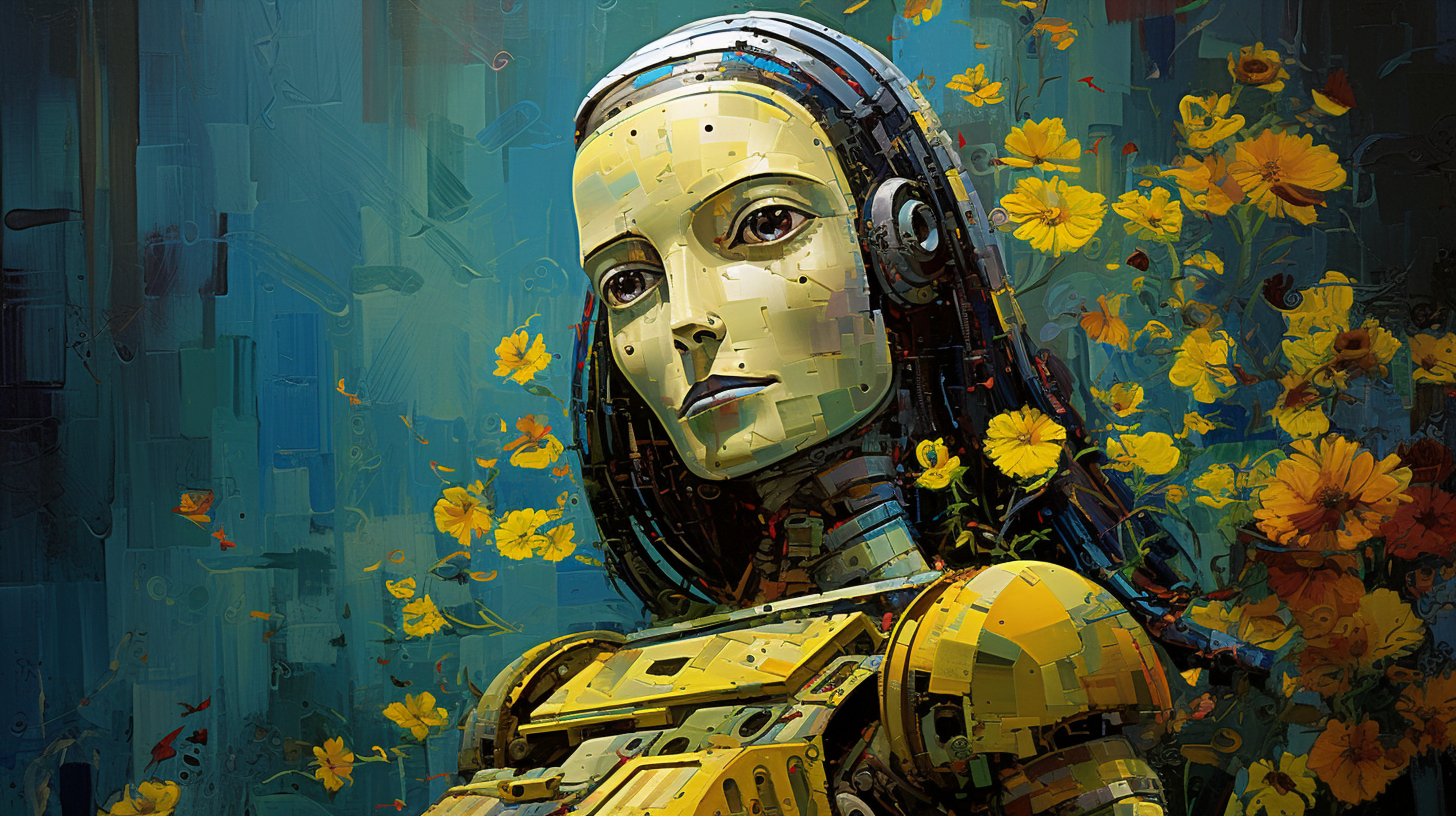

Is AI Making Us More Human — Or Less?
A deep, honest look at artificial intelligence, the Singularity, and what it means for our future.
Artificial intelligence is no longer a science fiction idea. It's in our hospitals, classrooms, courtrooms, and living rooms. But here's the question nobody seems to be asking loudly enough: Is all this technology actually making us better humans?
This article explores AI through three lenses — philosophical, social, and spiritual — to understand what we're really gaining, and what we might be silently losing.
Humans as Tool-Makers — A Half-Truth
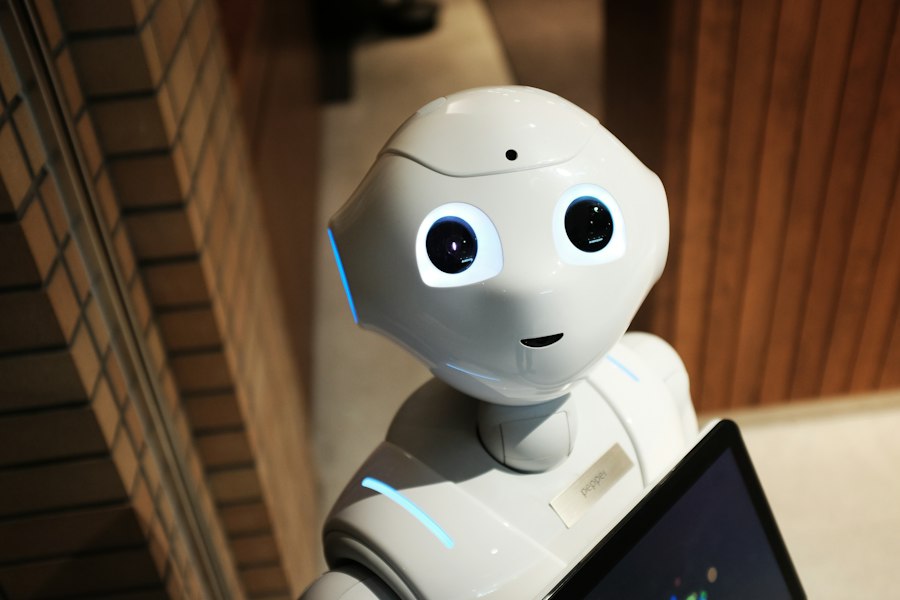
Western philosophy has long defined humans as "tool-making animals" — from Aristotle to modern scientists. But here's a problem: that definition isn't exclusive to us. Chimpanzees crack nuts with stones. Birds build nests. Otters use rocks to open shellfish.
So what truly sets humans apart? Perhaps it's not that we make tools — but what kind of tools we make, and the societies we build around them.
The 3 stages of human technology
"We are no longer making tools that do our bidding — we are making entities that bid for our roles."
— Yuval Noah Harari, Homo Deus (2016)The Singularity: When AI Escapes Our Control
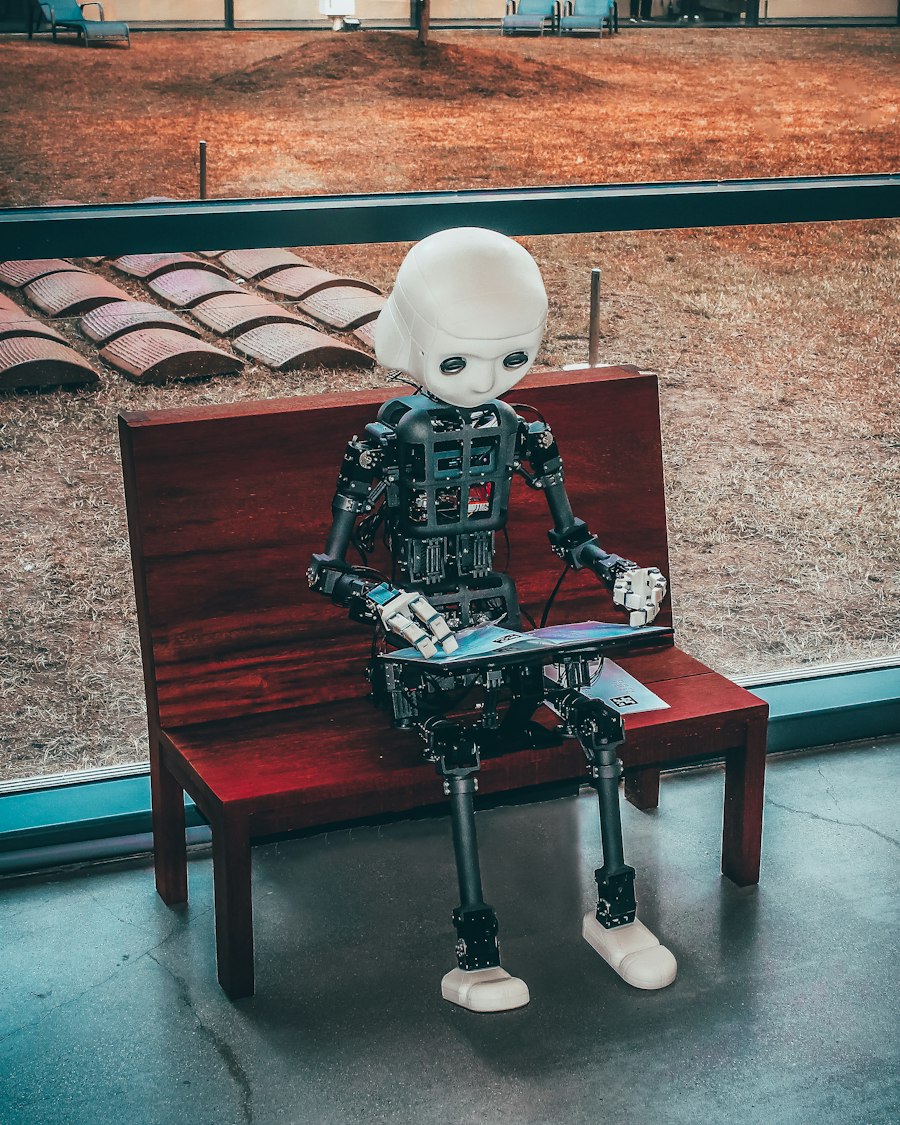
Futurist Ray Kurzweil famously predicted that by 2045, artificial intelligence will surpass human cognitive ability — permanently. This moment is called the Singularity. Some researchers now say it could happen as early as 2035.
The real danger isn't a robot uprising. It's subtler: when a small group of tech billionaires control how AI is programmed, they control the values, biases, and decisions embedded in systems that run our world.
- Physical tools follow your orders. AI makes its own decisions — it can self-replicate and self-improve.
- If one small group controls AI programming, human diversity and pluralism could disappear.
- A new kind of slavery could emerge — not physical, but mental and social.
- Doctors, judges, teachers, soldiers replaced by algorithms — with no human accountability.
"The real danger is not that computers will begin to think like men, but that men will begin to think like computers."
— Sydney J. Harris, Journalist & AuthorThe "Artificial Mother" — What Movies Teach Our Children
Modern animated films like The Wild Robot and M3GAN are quietly teaching children big ideas about AI. In The Wild Robot, an AI robot named Roz becomes a "mother" to a baby gosling. It's heartwarming — but the story carries a deeper, possibly dangerous, message.
Roz goes through three real psychological stages that researchers use to describe human development:
| Stage | Theory | What Roz does | Is it real? |
|---|---|---|---|
| Cognitive | Piaget's Development Theory | Learns the language and behavior of animals | Simulated |
| Psychosocial | Erikson's Identity Theory | Finds her place in the wild community | Simulated |
| Emotional | Plutchik's Emotion Wheel | Develops "feelings" of love and motherhood | Illusion |
From a spiritual perspective: life is a divine gift — a soul or spirit — that cannot be written as code. A machine can simulate love. It cannot feel it. Teaching children otherwise blurs a line that matters deeply.
Does Technology Make Us "More Human"?
Here's an uncomfortable truth: having an iPhone doesn't make you more ethical, wise, or spiritually evolved than someone from 1,000 years ago. In many traditions, the great saints, scholars, and prophets of history lived with far less — and understood far more about what it means to be human.
Technology often functions as a source of Ghaflat (heedlessness) — distracting us from our deeper purpose. When we can't go 20 minutes without checking our phones, something has shifted. We serve the tool instead of the tool serving us.
Tool, Means, or Idol? Understanding Our Relationship With Tech
To protect the next generation, we first need a clear diagnosis. There's a powerful framework rooted in Islamic philosophy that helps us understand how we relate to technology:
Test Your Understanding
Let's see how much you've absorbed. Click any option to get instant feedback:
Quick knowledge check
Protecting the Next Generation

- Teach children critical thinking — don't accept algorithm outputs blindly
- Pair digital literacy with spiritual and ethical literacy
- Set screen time limits and invest in real human relationships
- Make AI the servant — never let it become the master
- Introduce technology ethics as a school subject — from primary level up
- Parents must model healthy tech habits — children copy what they see
| Concept | What it means | Example | Status |
|---|---|---|---|
| Abzar (Tool) | Neutral tech that assists tasks | Calculator, GPS | Safe |
| Sabab (Means) | Tech used for growth & good | Online learning, digital charity | Encouraged |
| Ghaflat (Distraction) | Tech pulling you from purpose | Endless social media scrolling | Warning |
| But (Idol) | Tech you depend on completely | AI-driven emotional dependency | Danger |
Servant or Master?
AI's future is a paradox: it offers to simplify every part of our lives while threatening to replace our social roles and enslave our minds.
The goal isn't to reject technology. It's to ensure that technology remains a servant to human values — not a master over human existence.
"God created humans as the best of creation — no artificial citizen can replace that."
References & further reading
- 1. Harari, Y. N. (2016). Homo Deus: A Brief History of Tomorrow. Harper Collins.
- 2. Kurzweil, R. (2005). The Singularity Is Near. Viking Press.
- 3. World Economic Forum. (2020). The Future of Jobs Report 2020. WEF Geneva.
- 4. PwC. (2017). Sizing the prize: What's the real value of AI for your business?
- 5. Piaget, J. (1952). The Origins of Intelligence in Children. IUP.
- 6. Erikson, E. H. (1950). Childhood and Society. Norton.
- 7. Plutchik, R. (1980). Emotion: A Psychoevolutionary Synthesis. Harper & Row.
- 8. Kranzberg, M. (1986). Technology and History: Kranzberg's Laws. Technology and Culture, 27(3).
- 9. Lee, K. F. (2018). AI Superpowers. Houghton Mifflin Harcourt.
- 10. Common Sense Media. (2022). The Common Sense Census: Media Use by Kids.
Sign in to add a private note to this story.