
In the new campaign, Bella Hadid, Alton Mason, and friends take a tour of the sophisticated city, highlighting the brand’s jet set DNA and international appeal.
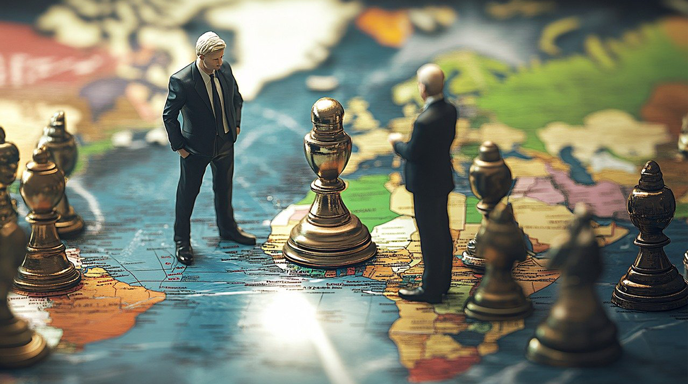
The Rise of the East: Can China’s ‘Xiaokang’ Vision Shift the Global Power Balance?
The center of global gravity is shifting. The scepter of power is moving away from Western corridors and landing on the ancient parapets of the East. We are witnessing more than just an economic trend; this is a massive “Power Shift.”
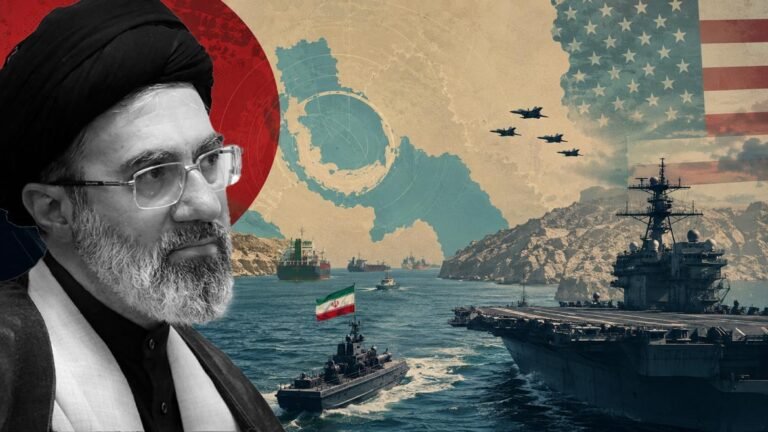
In this high-stakes geopolitical game, Iran stands as a “three-front shop” due to its unique location. Meanwhile, China has introduced its ‘Xiaokang’ philosophy—a strategy that could cause a seismic shift in the world’s economic and social structures.
1. Geo-Religion: The DNA of Civilizations
Modern strategy now includes the concept of “Geo-religion.” Land has an inherent influence that shapes the social DNA of its people.
The Persian Core: Historically, Iran has never been a land of idolaters. Its essence has always been monotheistic (Tawhidi). This is why Islam didn’t feel like a foreign imposition there; it found familiar soil.
The Western Contrast: In contrast, the Greco-Roman West was built on Humanism, where man was the ultimate idol. Their history of nude sculptures reflects this human-centric focus.
China’s Duality: Chinese philosophy (Yin and Yang) focuses on the “Created World” (Alam-e-Khalq), where opposing forces must coexist by necessity.
Unlike the West, where many attempts at “Andalusization” (cultural erosion) have been made, the Iranian spirit remains resistant because its core temperament has no room for secularism or shirk.
2. Decoding ‘Xiaokang’: China’s Escape from the West
From 2020 to 2035, China is following a 15-year roadmap called ‘Xiaokang’ (a “moderately prosperous society”). This is a brilliant strategic pivot:
Focusing Inward: China is moving away from being the world’s factory (export-led) and turning toward its own Domestic Market.
Bypassing the WTO: By turning its 1.4 billion citizens into primary consumers, China effectively bypasses the World Trade Organization (WTO) and US currency wars. International trade laws don’t apply to what happens inside your own borders.
The Social Shift: By uplifting its rural poor into a massive middle class, China ensures its economic engine runs on internal fuel.
3. The “Cuckoo Strategy”: Biological Infiltration
To understand how power is hijacked, look at the “Cuckoo Model.” The cuckoo bird lays its eggs in another bird’s nest. Once the chick hatches, it pushes the original inhabitants out.
We see this today in global power centers—from the White House to Silicon Valley giants like Google and Facebook. Through strategic marriages and family ties (like the Kushner-Trump or Biden family dynamics), policy-making is “colonized” from the inside. It’s a biological form of warfare where the decision-makers’ homes are occupied by representatives of specific interests.
4. The Imperialist Trap: A $45 Trillion Lesson
There is a warning here: by 2035, China could become the “New America.”
When China successfully brings 1.4 billion people to a high “Welfare State” standard of living, its own resources won’t be enough. History shows that Britain drained $45 trillion from India to sustain its empire. To feed its massive middle class, China may eventually feel “forced” to exploit the resources of other nations, becoming a new colonial power.
5. Technology and War: Iran vs. China
In the race for the future, two factors set these nations apart:
Special vs. General Technology: China secured “Special Tech” (Nuclear power, missiles, Veto power) before opening its doors. Iran’s lesson is clear: sacrificing Special Tech for “General Tech” (consumer goods/trade) is strategic suicide.
Battle-Hardened Experience: While the Chinese military mostly conducts “imaginary enemy” drills, Iran possesses 43 years of real-world combat experience through the school of Qasem Soleimani. This level of strategic depth cannot be bought with money.
The Horizon of 2035
The Xiaokang model promises prosperity, but it risks leading to the same moral decay seen in the West—where governments now have to create “Ministries of Loneliness” to deal with the void of a purely material life.
As we look toward 2035, the world doesn’t just need a new bank; it needs a new Justice-based System. The next global leader won’t be the one with the fullest treasury, but the one with a vision that frees humanity from material slavery.
What do you think? Is China a true alternative to Western hegemony, or just a more efficient version of it?