
Following the U.S.–Israeli offensive that began on February 28, 2026, Iran responded swiftly, surprising the world with the scale and intensity of its counteraction. Acting under the directive of its supreme leadership, Iran expanded the scope of its response across the region, targeting U.S. bases at multiple locations.Among the primary targets of these strikes was …
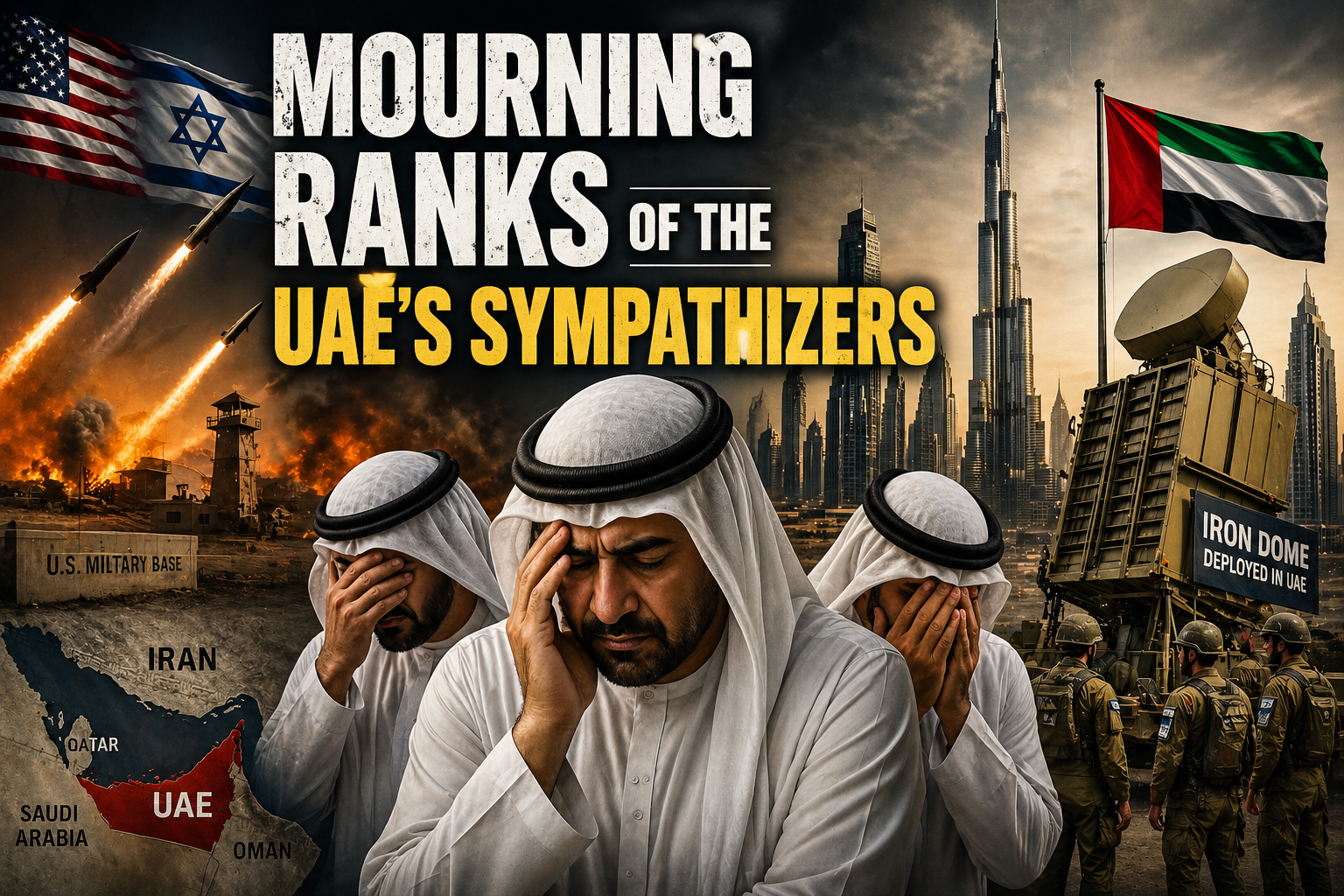
Following the U.S.–Israeli offensive that began on February 28, 2026, Iran responded swiftly, surprising the world with the scale and intensity of its counteraction. Acting under the directive of its supreme leadership, Iran expanded the scope of its response across the region, targeting U.S. bases at multiple locations.
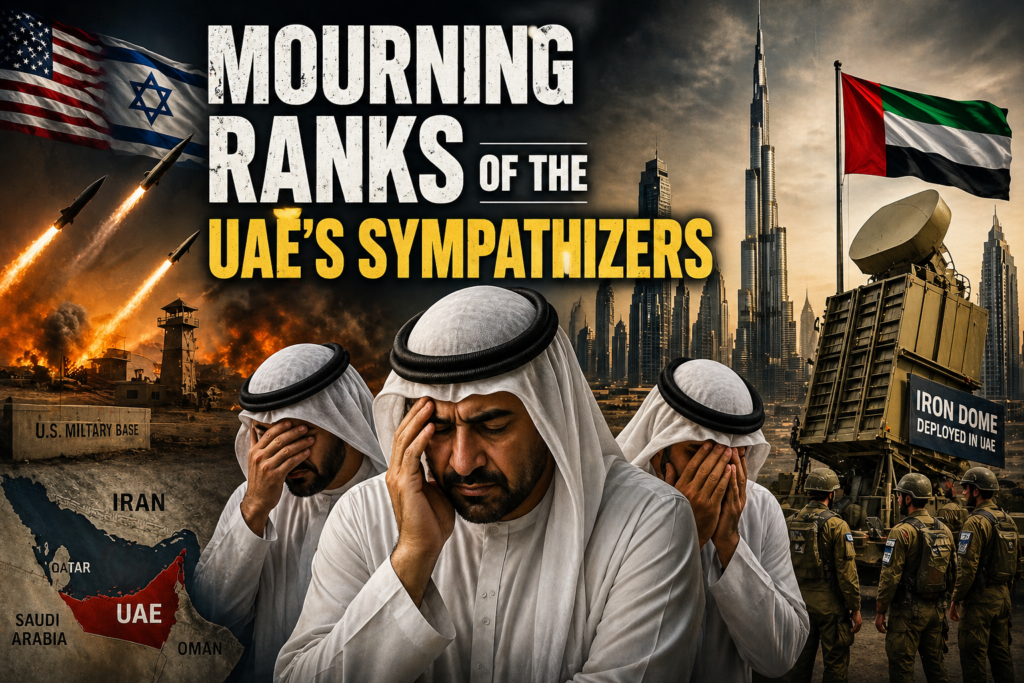
Among the primary targets of these strikes was the United Arab Emirates, where not only military installations but also several alleged covert sites were hit.
At this juncture, Arab financial and political circles became active, and voices from across the world—including journalists, intellectuals, and religious scholars from Pakistan—emerged with criticism. The prevailing argument was that targeting Muslim countries was unjustifiable and that Iran’s actions constituted aggression.
On the other hand, Iranian leadership and segments of independent media consistently maintained that any country whose territory is used against Iran could legitimately be subject to countermeasures. United Nations General Assembly Resolution 3314, which defines aggression, does recognize that the use of a state’s territory for acts of aggression is a serious international concern, though its application is subject to broader interpretations of international law.
However, recent revelations by the U.S. media outlet Axios have added a new dimension to the debate. According to the report, from the very outset of the conflict, Israel had deployed its Iron Dome defense system within the UAE and stationed its own personnel there to operate it. If accurate, these claims significantly reshape the understanding of regional alignments.
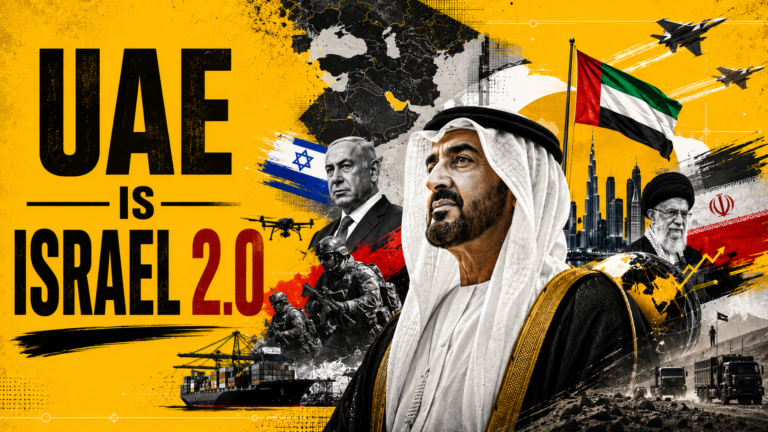
This is not the first time questions have been raised about the UAE’s strategic role. Years ago, a Palestinian-origin Jordanian journalist argued in a column that the UAE functions as an economic project aligned with Israeli interests, with its development and security falling within that broader framework. Current developments appear, to some observers, to lend weight to that perspective.
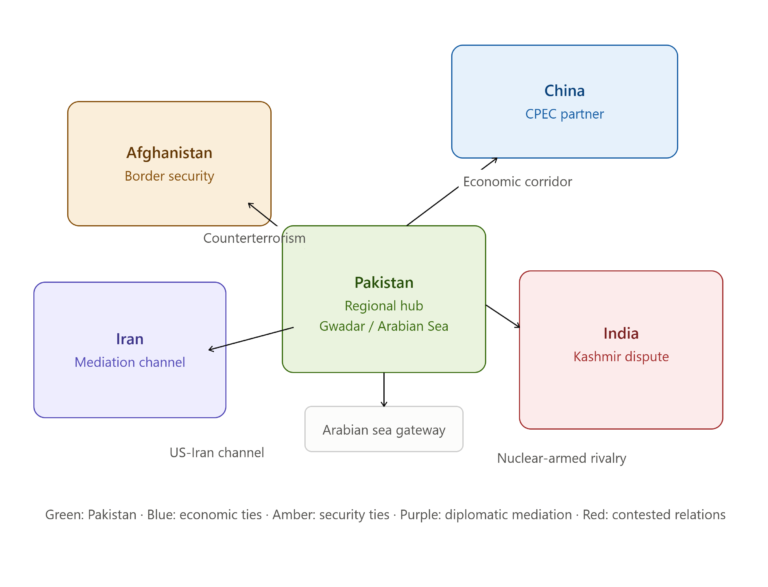
From Pakistan’s standpoint, the issue carries additional significance. The Pakistani community in the UAE, particularly in Dubai, constitutes the second-largest expatriate group. Historically, Pakistan’s leadership has maintained a respectful and cooperative relationship with Emirati authorities, despite underlying regional rivalries, including tensions between Saudi Arabia and the UAE over leadership in the Arab world.
Yet recent developments raise important questions about the nature of this relationship.
First, shortly after the ceasefire, financial demands were reportedly pressed upon Pakistan.
Second, there were reports of increased detentions, harassment, and deportations of Pakistani nationals.
Third, the UAE emerged as a vocal critic of U.S.–Iran negotiations.
These developments point toward a shifting regional dynamic. Iran appears to have a clear understanding of how to approach the UAE within its strategic framework. For Pakistan, however, this moment calls for careful reflection—how to define its position and recalibrate its policy in an increasingly complex geopolitical landscape.
Syed Kumail Naqvi
April 28, 2026
Tehran